- Source column 4, spans 51 columns
The ELF leaders' crimes against the Haraka fighters in 1965
compiled and researched by Resoum Kidane 31/08/2008
- Source column 1, spans 53 columns
In this 47th year of commemoration of the beginning of the armed struggle for national liberation,it is worthwhile to tell the truth to the young generation when the Eritrean people's struggle started and by whom by looking briefly at the motivation behind the ELF Supreme Council's decision to liquidate the Harakat also ELM in 1965.
When looking back to the history of the beginning of the armed struggle for national liberation, the founder of the ELF Idris M.Adem and other groups of the nobility seceded from the Moslem League (ML: The Moslem League was formed in Keren by Ibrahim Sultan, he was a spokesman for the serfs who sought freedom from the feudal Moslem landoweners in the western plains of the Barca and Anseba valleys and in the eastern lowlands around Massawa. Spence (1984:197) in the late 1940s, and eventually they joined the Unionist (the pro-Ethiopian Unionist Party) instead of working togther with the Ibrahim Sultan for Eritrean independence. This was when they realized that the League was dominated by the serf emancipation movement.
According to Mengesteab (2005:40) "Idris took a group of Moslem lowlanders out of the Moslem League (ML) headed by Ibrahim Sultan Ali, because the League and its leader possessed progressive ideologies with which Idris disagreed. Having eliminated his group from the ML, Idris allied himself with the pro-Ethiopian Unionist Party. This opportunistic maneuvering enabled Idris to become president of the unionist dominante Eritrean parliament.
Idris M.Adem became president of Eritrean parliament after Sheik Ali Mohammad Mussa Radai from 1955 until he was forced by the chief executive to resign in 1957. In the spring of 1959, Idris Mohammed Adem went into exile with Ibrahim Sultan,even though he had split from ML in disagrrement with Ibrahim Sultan in 1949.
Although the ELF and EPLF leaders tried to persuade the public that the Eritrean struggle was started on 1st of September 1961 by the ELF, through commemoration of the armed struggle for national liberation every year on 1st September, the Eritrean people's struggle for independence goes back to the flourishing of the Eritrean political parties in the 1940s, and in the 1950s with the emergence of the following organizations:
1.Workers Syndicate of Eritrea( In late 1952, Ato Wolde-Ab Woldemariam helped found the Workers Synicate Of Eritrea the Syndacato, Workers' strikes and boycotts were used by the Syndacat helped to frustrate Ethiopia's ambition in Eritrea (Gebre-Medhin, 1989)
2.The Young Federalist Association also known in Asmara by their Italian name: Partito Giovanile Federalists Eritrei ( The Young Federalists held their first organizational meeting on Dec.26, 1953. They numbered about 60-80 members and their first leaders was Tesfai Redda from Dekemhare, who was repeatedly imprisoned and tortured. By 1958 the Yound Federalists were part of a widespreaded " Federslist-Independence movement" Their ideology had gone beyond the idea, of simply preserving Eritrean autonomy to seeing Federation as a " stepping stone" towards independence. (Killion 1997, p.50)
3.The Moslem Youth League ( Commonly called simply Shabab) was formed in 1953 along with the Young Federalists. Both organization , however, were composed primarily of young men, representing the new, and much more militantly anti-Ethiopian nationalist, generation of Eritreans who came of age after the demise of European colonial rule (Killion 51)
4. the Eritrean Youth Peace Council. According to Berketeab(2000:169) an organisation called the Eritrean Youth Peace Council emerged, which was am amalgamation of the Youth wing of the Moslem League and the Unionist Party. The Organisation was formed to ensure the implementation of the Federation, and to oppose its encroachment. The workers( dock and railroad workers) defended democratic rights such as strikes, demonstrations and associations enshrined in the Eritrean constitution.
5. Asmara Teachers' Association following the strike the Teachers' Association was banned, its Club closed and its leaders (such as Issayas Tesfai, A bebe Yasin & Tsegai Negash) were briefly arrested
6. Mah'ber Memheyash Hagarawi Limidi ( Association for the Development of National Culture M.M.H.L) was founded in 1957 when its 45 members staged several singing and drama productions in Mendefera and at the Cinema Impero in Asmara ( attended by 3,000. Amine Gebre-Kirstos a participant and worker at the Governmenr Printing Press, along with two other M.M.H.L members were imprisoned and tortured for 3 months following the Asmara show
All the above organisations took an active role in the resistance against the violations of the Federal Constition which were taking place between 1952-1958. For example between 1954 and 1956 sporadic student strikes were common, especialli in Asmara. ;In 1958 a more than two-week strike of workers, students, and self- employed paralyzed Eritrea (Gebre-Medhin (1989: 171 ). In 1958 a clandestine political movement known as Mahber Sheweate ( Eritrean liberation Movement) was born to conducted resistance to Ethiopian authority in Eritrea. Killion added that the General strike was participated by the workers included the Young Federalists, the Muslim Youth League and the Asmara high school students led by Tuku'e Yehedego ( Killion, 1997: 40).
According to Gebre-Medhin, Mahber Shewate (Union of Seven) began to coordinate the various sectors of Eritrean struggle in the urban areas of Eritrea as well as Ethiopia. The Eritrean Liberation Movement (Harakat) played a great role in organizing, raising national consciousness through distributing leaflets, and its annua lstudent demonstrations in the main cities.
Alsayed (2009) also states that the Eritrean Liberation Movement (ELM) was a natural and subsequent political development in Eritreans’ struggle for their legitimate right to self-determination. The ELM (1958 – 1965) came about in the wake of Ethiopia’s unilateral violation of the Federation arrangement and the lowering of Eritrea’s legitimate flag.
Harakat(ELM) was initially formed on 2 November 1958 in Port Sudan by Mohammed Said Nawd, Idris Mohammed Hasen, Salih Ahmed Iyay, Osman Mohammed Osman, Hussen El Haj Idris, Habib Gaias,Yasin el-Gade and Mohammed El Hassen Osman. After Salih, Yasin and Mohammed el-Hassan returned to Eritrea from the meeting of Haraket which was held on 2 November 1958 , Salih Iyay became the reprentative of Harakat in Keren, Yasin was stationed in Asmara represented Kebesa and Mohammed el-Hassan went to Asab.
- Source column 22, spans 8 columns


- Source column 17, spans 23 columns
Saleh Eyay and Yasin el-Gade
- Source column 2, spans 49 columns
According Markakis ( 1987:106) as a model for the organisation they chose the cell structure used by the Sudanese Communist Party. He adds that cells of seven members were formed, and each member was instructed to recruit six others to form a new sell. Thus movement spread amoeba-like in the towns of Eritrea. To avoid the sectarian divisions that had marked Eritrean political activities in the 1940s, the ELM activists set out to recruit within the urban Christian community, stressing, in the words of the preamble to the ELM status, that “ Muslims and Christians are brothers, and their unity makes Eritrea one “ (Markakis also added that Christian response was encouraging, and the movement became known among them as Mahaber Sowate (Association of Seven)
- Source column 2, spans 49 columns
The first clandestine cells of Mahber Shew'ate (Association of Seven) were established by Yasin el-Gade(a tailor from Asmara) after he returned to Asmara, Tuku'e Yihidego and Kahasai Balbi .
- Source column 14, spans 2 columns
- Source column 21, spans 2 columns

- Source column 29, spans 6 columns

- Source column 9, spans 7 columns
Yasin el-Gade
- Source column 21, spans 5 columns
Tiku Yihdego
- Source column 29, spans 9 columns
Kahsai Bahlbi
- Source column 6, spans 37 columns
Some members of the first clandestine cells of Mahber Shew'ate
- Source column 4, spans 3 columns

- Source column 13, spans 3 columns

- Source column 22, spans 2 columns

- Source column 28, spans 6 columns

- Source column 35, spans 7 columns

- Source column 2, spans 8 columns, spans 2 rows
Mahmmod Ismael Al-Haj
- Source column 12, spans 7 columns
Saeid Moh.Saleh
- Source column 21, spans 5 columns
Mussa Araho
- Source column 27, spans 7 columns, spans 3 rows
Abdul Salam
- Source column 36, spans 12 columns
Teklay Haraka
- Source column 11, spans 5 columns, spans 4 rows

- Source column 22, spans 2 columns, spans 2 rows

- Source column 28, spans 6 columns, spans 7 rows

- Source column 37, spans 6 columns, spans 5 rows

- Source column 45, spans 4 columns, spans 3 rows

- Source column 2, spans 3 columns, spans 3 rows

- Source column 21, spans 4 columns, spans 10 rows
Welden kel. Abrha
- Source column 2, spans 8 columns, spans 4 rows
Nour Abdul Hai
- Source column 11, spans 7 columns, spans 6 rows
Ahmed Bin Abdulqader
- Source column 45, spans 8 columns, spans 4 rows
Mohammed Burhan Nagash
- Source column 36, spans 8 columns, spans 3 rows
Abdul Salam
- Source column 28, spans 5 columns, spans 4 rows
Mehari Debessai
- Source column 2, spans 56 columns
By April 1959 clandestine cells had been established almost all Eritrean town and the first conference of the ELM was held in Asmara in 1960. According to Ammar (2004) there were 40 participants including: Mohammed Saed Nawd, the ELM co-founder-leader, Salih Iyay, Yassin Uqda, Adem Melekin, Mohammed Burhan Hassen, Ali Berhatu, Tiku’e Yihdego, Kahsai Bahlbi, Mohammed Omar Akito, Abdulkerim Saed Qasim, Sheikh Saddadin Mohammed, Khiyar Hassen Beyan. Before the conference Salih Iyay was stationed in Keren represented Senihit, Sahel, Baraka and Gash whereas Yasin was stationed in Asmara represented Kebesa. After the conference Asmara became the centre and Yasin, Tuku'e and Mohammed Birhane led the movement ( Bereketeab, 2000:220) In the process of the Eritrean struggle for independence, the Mahber Shewate or Haaraka had contributed a great deal to narrowing the rift between Christian and Moslem, which had been developed by the Unionists in the 1940s; through employing the slogan “Muslims and Christian are brothers, and their unity makes Eritrea one”The founder of the ELM, all Moslems, were conscious of the harmful effects of the religious divisions which had pitted Christian against Moslem in the 1940s. (Iyob, 1995:100). Killion (1998:142) also added that the ELM started recruting Eritreans under the policy that Moslem and Christian are brother in Eritrea, Ethiopa, Sudan and Saudia Arabia. The goal of the movement was ‘to wrest the administration of the Eritrean people from Ethiopia by various means ( Markakis 1987: 107) Markakis ( 1987:107) also states that in 1959 the ELM sent Tahir Ibrahim to contact them. He was met with suspicion verging on hostility, except Wolde Abe Wolde Mariam, who later agreed to become the movement’s representative in Egypt. In connection with this, Killion (1998:433) wrote that the sectarian politics of most of the Muslim exile community in Cairo left Woldeab isolated until 1959. With the rise of the secular Eritrean Liberation Movement ( ELM) whose labour-oriented political programme coincided with Woldeab as own political vision, he returned to political activity serving as the ELM's Cairo representative. Furthermore, According Markakis ( 1987:107) Tahir returned to Cairo with the same mission in 1960, only to meet with unconcealed hostility this time from the exile led by the former president of the Eritrean Assembly, Idris Mohammed Adem who was then in the process of organising the Eritrean Liberation Front ( ELF) .
Idris Mohammed Adem who went into exile after removing from his post, was one of them, and he displayed exterme hostility towards the formation of the ELM. Bereketeab (2000:184) also adds that the leaders of the ELF, and Idris Mohammed Adem in particular, dislike the stretegy of the ELM to broaden its organisation through recuriting Christians because in their view, it was Christian that delivered Eritrea to Ethiopia in the first place. The above also support by Mengesteab(2005:40) also adds that , Idris launched a vitriolic campagin against ELM and its leaders.Threatened by the youthful and secular orientation of the ELM leadership and by Nawid's early affiliation with the Sudanese Communist Party, Idris Adem roused Eritrean nationalists against the ELM.
Idris was further aggravated by the fact that Woldeab Woldemariam welcomed the formation of the ELM and offered his services to further its cause.In addition to pushing for progressive politics, Woldeab was a Christian highlander, which appalled idris.In the furtherance of sectarian politics, Idris led the creation of a new organization, known as the ELF in 1960. Using religion and ethnicity, Idris recruited a number of Eritrans from the diaspora, notable among whom were Idris Osman Geladewos, Osman Saleh Sabbe together, they imposed their overlordship on the ELF. Without ideological clarity, political program and organisational accountability, the three ELF leaders began to lead an armed struggle by remote control from Cairo ( Mengesteab 2005; Gebre-Medhin 1989). Markakis( 1987: 108)also mentioned that In the fall of 1961, Ibrahim Sultan, and Idris Mohammed Adam separately visited the Eritrean community in Saudi Arabia to raise support for plans to organise opposition to Ethiopia. There, they were both urged to contact the ELM and possibly join forces. Both stopped in Port Sudan on their way back to Cairo, and met Said Nawid and his colleagues. The meetings were fruitless, and soon afterwards the nascent Eritrean Liberation Front in Cairo, under the leadership of Idris Mohammed Adem, launched a campaign of denunciation against the ELM. Since formation of the ELF in July 1960, the ELF leaders, instead of working with the ELM for the interest of the Eritrean people against a common enemy, portrayed the ELM as communist in ideology and antireligious. According to the founder of ELM Said Nawid, ELM disagreed over the ELF leadership's belief that they had the sole mandate of represting the Eritrean people.
The leaders of the ELF believed that mandate had been bestowed upon them during the time of political struggle in the 1940s and 1950s. They therefore believed that newly emerging political forces had no legitimacy. Moreover, their view that the Eritrean areana could not accommodate more than one organisation also constituted an irreconcilable point of difference (Bereketeab, 2000:184). The object of their political and armed campaigns was not only Ethiopia but also the ELM" Because of this motivation, on 1st September 1961 the ELF leaders arbitrarily founded the Eritrean Liberation Army the military wing of the ELF and asked Idris Hamid Awate to head the ELA. Based on the allegation mentioned earlier, when the unity meeting between ELM and ELF was arranged by the Sudanese government in 1962, neither Idris M. Adem nor Osman S.Sabbe attended it (Iyob, 1995 :104- 105). At this meeting Woldeab Woldemariam was present, and the veteran politician joined the ELM in 1962.
Additionally (Bereketeab, 2000:184) also mentioned it in his book that the ELM made a proposal to the leadership of the ELF to merge the two organisations. However, this proposal however, failed because of the ELF's rejection, and towards the mid-1960s the antagonism between the two organisations reached its peak.
- Source column 2, spans 3 columns
- Source column 9, spans 6 columns
- Source column 22

- Source column 34, spans 7 columns

- Source column 2, spans 4 columns
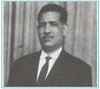
Idris M.Adem
- Source column 9, spans 8 columns
- Source column 19, spans 10 columns
- Source column 32, spans 20 columns
- Source column 2, spans 55 columns
Finally when Haraka had a plan to wage military activity inside Eritrea against the Ethiopian army in 1965, the leader of Haraka received a warning from the ELF spokesman, Osman S. Sabbe, who pointed out that a liberation front already existed and told Nawud that his organization should unite with it or face elimination. Despite this warning the ELM leaders dispatched a force of 50 armed men to the Sahel to fight the Ethiopians in May 1965, and six the ELM armed forced were killed by an armed contingent from the ELF force at Ela Tsada, in 1965 (Mengisteab, 2005; Bereketeab, 2000; Patemem 1990, Paice 1994, Iyob 1995, Shinn 2004). This was happened due to the ELF Supreme Council decided to take military action against the movement.
The following five members of the ELM (Harakat)who were among the six killed by the ELF force at Ela Tsada in 1965 Among the dead was the group's leader,Mohammed Saleh a former policeman.
- Source column 2, spans 14 columns


- Source column 16, spans 15 columns
Mahya-El Din Al Ahmed Salih Ali Idris Mahmoudi Ali Mahmo Mohammed Saleh
- Source column 4, spans 6 columns
- Source column 10, spans 40 columns
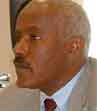
According to Ahmed Mohammed Nasir who replaced Idris Mohammed Adem as chairman in 1975 said that the chief reason for the ELF attacking the ELM was its belief that the Field could support only one organisation [ Bereketeab, 2000 :184).
- Source column 2, spans 55 columns
Furthermore Mohammed Ibrahim Bahdurai who was among the first the ELF fighters with Idris Awate his attitude toward the eliminate of Harak is not diffirent from what Ahemed Nasser said. Mohammed Ibrahim Bahdurai in the interview with Nhrent in commemoration of the 43rd year of the commencement of Eritrea’s armed struggle for national liberation. He said that the ELF’s success against the armed bands of the ELM was welcomed by all nationalists because everyone knew that the presence of more than one organization in the country would invite divisions based not on political line but on the backward regional and confessional sentiments. Many believe that the legacy of this military action set the precedent for the later civil wars between the Eritrean organisations Despite , the Supreme Council decided to liquidate the ELM (Harakat) military wing,Woldeyesus Ammar (Chairman of the ELF-RC) in his publication (November 14, 2004: http://www.nharnet.com/Archives/Arch_2004/Nov_2004/WoldeAmmar_Nov14.htm ) didn’t acknowledge the crime of the ELF leaders relating to the decision of the Supreme Council which caused for the death of 6 ELM fighters, but Ahmed confirmed the ELF military action against the military wing of Haraka. .
- Source column 2, spans 9 columns, spans 2 rows
- Source column 11, spans 35 columns
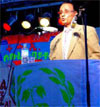
Why Woldeyesus Ammar (Chairman of the ELF-RC) didn't mention the liquidation of Haraka in his publication? He only wrote Saleh Eyay was a co-founding leader of the ELM but he had no problem of changing membership to ELF in 1965 when he was convinced that he would do good to the cause for national liberation than by insisting to revitalize ELM
- Source column 2, spans 18 columns
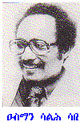
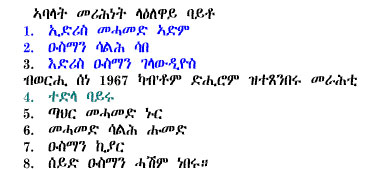
The ELF Supreme Council who decided to take military action against the Eritrean liberation Movement in 1965
- Source column 3, spans 17 columns


- Source column 39, spans 14 columns, spans 2 rows
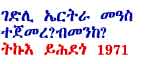
Tuku'e Yehedego a soccer star. He was one of the leader of the student demonstration against the imposition of Amharic as the school's language instruction Tuku'e later helped organize the ELM in Asmara(Killion,1997 53). Iyob (1995, 101) adds that the Eritrean team, Adulis traveled to the Sudan for national matches, and three ELM members mobilized and recruited members for the new organisation. Team members, like Tuku'e played key roles in spreading the network among the youth in Asmara in 1959 Read more: Who is Tuku'e
- Source column 2, spans 37 columns, spans 2 rows
- Source column 39, spans 15 columns, spans 2 rows
- Source column 2, spans 37 columns, spans 3 rows

- Source column 39, spans 15 columns
- Source column 9, spans 9 columns
- Source column 2, spans 54 columns
To conclude: the Eritrean struggle for liberation was not started 47 years ago on 1st September 1961 but 50 years ago on 2nd November in 1958. The ELF was founded by Idris Mohammed Adem in 1960 after he went into exile with Ibrahim Sultan in 1959, it was in competition with the ELM ( Harakat) just as the EPLF which was founded by Osaman S. Sabbe and Issayas in power competition with the leaders of the ELF in the early 1970s. Although the ELF leaders claimed that the ELF was the mother of the Eritrean revolution and the EPLF leaders also claimed that the EPLF was far more progressive than its mother organization, neither the ELF nor EPLF were founded by genuine leaders l The only genuine and progressive liberation movement was the Eritrean Liberation Movement ( Harakat) whose founders believed in the principle “Muslims and Christians are brothers, and their unity makes Eritrea one" This principle came from the 1940s legacy of the great political leaders ( Ibrahim Sultan, Woldeab and others ) who demonstrated their willingness to work together for the unity of the Eritrean people through sharing a chicken killed by a Moslem. Here is an excerpt from what Ato Woldeab wrote when Ato Ibrahim died in 1987.
- Source column 9, spans 38 columns
Do you remember in 1944, when we met at the residence of Saleh Kekia and shared a chicken killed by a Moslem, put our hand on a copy of the Holy Quaran, and without any consideration to religious, regional, ethnic or élan differences undertook to struggle for the independence of a united Eritrea and formed the party, Eritrea for Eritreans Read more
- Source column 8, spans 38 columns
Crimes comitted by the former revolutionary leaders after 1965
- Source column 14, spans 24 columns
EHREA Eritrean Human Rights Electronic Archive © 2006 Contact: rkidane@talk21.com
HTML English
Haraka fighters in 1965
Original source ↗http://www.ehrea.org/crimeharaa.htm
Read in the document library →
Shared passages in the archive
These passages also occur in other preserved documents. Each link keeps its own source, language and context.
Read passage and 1 other preserved context
When looking back to the history of the beginning of the armed struggle for national liberation, the founder of the ELF Idris M.Adem and other groups of the nobility seceded from the Moslem League (ML: The Moslem League was formed in Keren by Ibrahim Sultan, he was a spokesman for the serfs who sought freedom from the feudal Moslem landoweners in the western plains of the Barca and Anseba valleys and in the eastern lowlands around Massawa. Spence (1984:197) in the late 1940s, and eventually they joined the Unionist (the pro-Ethiopian Unionist Party) instead of working togther with the Ibrahim Sultan for Eritrean independence. This was when they realized that the League was dominated by the serf emancipation movement.- The ELF leaders' crimes against the Haraka fighters in 1965
Passage provenance
Record ID:
4159552f6da8b3eb70479bfdOriginal source: http://www.ehrea.org/crimeharaa.php
Original SHA-256:
1073c3526202da4c8f178a5f0c10482a7bb95482b96919fead7a01dd0baa8415
Read passage and 1 other preserved context
According to Mengesteab (2005:40) "Idris took a group of Moslem lowlanders out of the Moslem League (ML) headed by Ibrahim Sultan Ali, because the League and its leader possessed progressive ideologies with which Idris disagreed. Having eliminated his group from the ML, Idris allied himself with the pro-Ethiopian Unionist Party. This opportunistic maneuvering enabled Idris to become president of the unionist dominante Eritrean parliament.- The ELF leaders' crimes against the Haraka fighters in 1965
Passage provenance
Record ID:
4159552f6da8b3eb70479bfdOriginal source: http://www.ehrea.org/crimeharaa.php
Original SHA-256:
1073c3526202da4c8f178a5f0c10482a7bb95482b96919fead7a01dd0baa8415
Read passage and 1 other preserved context
Idris M.Adem became president of Eritrean parliament after Sheik Ali Mohammad Mussa Radai from 1955 until he was forced by the chief executive to resign in 1957. In the spring of 1959, Idris Mohammed Adem went into exile with Ibrahim Sultan,even though he had split from ML in disagrrement with Ibrahim Sultan in 1949.- The ELF leaders' crimes against the Haraka fighters in 1965
Passage provenance
Record ID:
4159552f6da8b3eb70479bfdOriginal source: http://www.ehrea.org/crimeharaa.php
Original SHA-256:
1073c3526202da4c8f178a5f0c10482a7bb95482b96919fead7a01dd0baa8415
Read passage and 2 other preserved contexts
Although the ELF and EPLF leaders tried to persuade the public that the Eritrean struggle was started on 1st of September 1961 by the ELF, through commemoration of the armed struggle for national liberation every year on 1st September, the Eritrean people's struggle for independence goes back to the flourishing of the Eritrean political parties in the 1940s, and in the 1950s with the emergence of the following organizations:- The ELF leaders' crimes against the Haraka fighters in 1965
Passage provenance
Record ID:
4159552f6da8b3eb70479bfdOriginal source: http://www.ehrea.org/crimeharaa.php
Original SHA-256:
1073c3526202da4c8f178a5f0c10482a7bb95482b96919fead7a01dd0baa8415 - Fact and Evidence Part III: [1953-1959
Passage provenance
Record ID:
eef4da705655f45e52595507Original source: http://www.ehrea.org/1959.php
Original SHA-256:
eb9e9891e71e25421826ee28281d21caa2c05c85dc6b773f0da06fe9bb5b5031
Read passage and 1 other preserved context
1.Workers Syndicate of Eritrea( In late 1952, Ato Wolde-Ab Woldemariam helped found the Workers Synicate Of Eritrea the Syndacato, Workers' strikes and boycotts were used by the Syndacat helped to frustrate Ethiopia's ambition in Eritrea (Gebre-Medhin, 1989)- The ELF leaders' crimes against the Haraka fighters in 1965
Passage provenance
Record ID:
4159552f6da8b3eb70479bfdOriginal source: http://www.ehrea.org/crimeharaa.php
Original SHA-256:
1073c3526202da4c8f178a5f0c10482a7bb95482b96919fead7a01dd0baa8415
Read passage and 1 other preserved context
2.The Young Federalist Association also known in Asmara by their Italian name: Partito Giovanile Federalists Eritrei ( The Young Federalists held their first organizational meeting on Dec.26, 1953. They numbered about 60-80 members and their first leaders was Tesfai Redda from Dekemhare, who was repeatedly imprisoned and tortured. By 1958 the Yound Federalists were part of a widespreaded " Federslist-Independence movement" Their ideology had gone beyond the idea, of simply preserving Eritrean autonomy to seeing Federation as a " stepping stone" towards independence. (Killion 1997, p.50)- The ELF leaders' crimes against the Haraka fighters in 1965
Passage provenance
Record ID:
4159552f6da8b3eb70479bfdOriginal source: http://www.ehrea.org/crimeharaa.php
Original SHA-256:
1073c3526202da4c8f178a5f0c10482a7bb95482b96919fead7a01dd0baa8415
Read passage and 1 other preserved context
3.The Moslem Youth League ( Commonly called simply Shabab) was formed in 1953 along with the Young Federalists. Both organization , however, were composed primarily of young men, representing the new, and much more militantly anti-Ethiopian nationalist, generation of Eritreans who came of age after the demise of European colonial rule (Killion 51)- The ELF leaders' crimes against the Haraka fighters in 1965
Passage provenance
Record ID:
4159552f6da8b3eb70479bfdOriginal source: http://www.ehrea.org/crimeharaa.php
Original SHA-256:
1073c3526202da4c8f178a5f0c10482a7bb95482b96919fead7a01dd0baa8415
Read passage and 1 other preserved context
4. the Eritrean Youth Peace Council. According to Berketeab(2000:169) an organisation called the Eritrean Youth Peace Council emerged, which was am amalgamation of the Youth wing of the Moslem League and the Unionist Party. The Organisation was formed to ensure the implementation of the Federation, and to oppose its encroachment. The workers( dock and railroad workers) defended democratic rights such as strikes, demonstrations and associations enshrined in the Eritrean constitution.- The ELF leaders' crimes against the Haraka fighters in 1965
Passage provenance
Record ID:
4159552f6da8b3eb70479bfdOriginal source: http://www.ehrea.org/crimeharaa.php
Original SHA-256:
1073c3526202da4c8f178a5f0c10482a7bb95482b96919fead7a01dd0baa8415
Read passage and 1 other preserved context
5. Asmara Teachers' Association following the strike the Teachers' Association was banned, its Club closed and its leaders (such as Issayas Tesfai, A bebe Yasin & Tsegai Negash) were briefly arrested- The ELF leaders' crimes against the Haraka fighters in 1965
Passage provenance
Record ID:
4159552f6da8b3eb70479bfdOriginal source: http://www.ehrea.org/crimeharaa.php
Original SHA-256:
1073c3526202da4c8f178a5f0c10482a7bb95482b96919fead7a01dd0baa8415
Read passage and 1 other preserved context
6. Mah'ber Memheyash Hagarawi Limidi ( Association for the Development of National Culture M.M.H.L) was founded in 1957 when its 45 members staged several singing and drama productions in Mendefera and at the Cinema Impero in Asmara ( attended by 3,000. Amine Gebre-Kirstos a participant and worker at the Governmenr Printing Press, along with two other M.M.H.L members were imprisoned and tortured for 3 months following the Asmara show- The ELF leaders' crimes against the Haraka fighters in 1965
Passage provenance
Record ID:
4159552f6da8b3eb70479bfdOriginal source: http://www.ehrea.org/crimeharaa.php
Original SHA-256:
1073c3526202da4c8f178a5f0c10482a7bb95482b96919fead7a01dd0baa8415
Read passage and 1 other preserved context
According to Gebre-Medhin, Mahber Shewate (Union of Seven) began to coordinate the various sectors of Eritrean struggle in the urban areas of Eritrea as well as Ethiopia. The Eritrean Liberation Movement (Harakat) played a great role in organizing, raising national consciousness through distributing leaflets, and its annua lstudent demonstrations in the main cities.- The ELF leaders' crimes against the Haraka fighters in 1965
Passage provenance
Record ID:
4159552f6da8b3eb70479bfdOriginal source: http://www.ehrea.org/crimeharaa.php
Original SHA-256:
1073c3526202da4c8f178a5f0c10482a7bb95482b96919fead7a01dd0baa8415
Read passage and 1 other preserved context
According Markakis ( 1987:106) as a model for the organisation they chose the cell structure used by the Sudanese Communist Party. He adds that cells of seven members were formed, and each member was instructed to recruit six others to form a new sell. Thus movement spread amoeba-like in the towns of Eritrea. To avoid the sectarian divisions that had marked Eritrean political activities in the 1940s, the ELM activists set out to recruit within the urban Christian community, stressing, in the words of the preamble to the ELM status, that “ Muslims and Christians are brothers, and their unity makes Eritrea one “ (Markakis also added that Christian response was encouraging, and the movement became known among them as Mahaber Sowate (Association of Seven)- The ELF leaders' crimes against the Haraka fighters in 1965
Passage provenance
Record ID:
4159552f6da8b3eb70479bfdOriginal source: http://www.ehrea.org/crimeharaa.php
Original SHA-256:
1073c3526202da4c8f178a5f0c10482a7bb95482b96919fead7a01dd0baa8415
Read passage and 1 other preserved context
The first clandestine cells of Mahber Shew'ate (Association of Seven) were established by Yasin el-Gade(a tailor from Asmara) after he returned to Asmara, Tuku'e Yihidego and Kahasai Balbi .- The ELF leaders' crimes against the Haraka fighters in 1965
Passage provenance
Record ID:
4159552f6da8b3eb70479bfdOriginal source: http://www.ehrea.org/crimeharaa.php
Original SHA-256:
1073c3526202da4c8f178a5f0c10482a7bb95482b96919fead7a01dd0baa8415
Read passage and 1 other preserved context
By April 1959 clandestine cells had been established almost all Eritrean town and the first conference of the ELM was held in Asmara in 1960. According to Ammar (2004) there were 40 participants including: Mohammed Saed Nawd, the ELM co-founder-leader, Salih Iyay, Yassin Uqda, Adem Melekin, Mohammed Burhan Hassen, Ali Berhatu, Tiku’e Yihdego, Kahsai Bahlbi, Mohammed Omar Akito, Abdulkerim Saed Qasim, Sheikh Saddadin Mohammed, Khiyar Hassen Beyan. Before the conference Salih Iyay was stationed in Keren represented Senihit, Sahel, Baraka and Gash whereas Yasin was stationed in Asmara represented Kebesa. After the conference Asmara became the centre and Yasin, Tuku'e and Mohammed Birhane led the movement ( Bereketeab, 2000:220) In the process of the Eritrean struggle for independence, the Mahber Shewate or Haaraka had contributed a great deal to narrowing the rift between Christian and Moslem, which had been developed by the Unionists in the 1940s; through employing the slogan “Muslims and Christian are brothers, and their unity makes Eritrea one”The founder of the ELM, all Moslems, were conscious of the harmful effects of the religious divisions which had pitted Christian against Moslem in the 1940s. (Iyob, 1995:100). Killion (1998:142) also added that the ELM started recruting Eritreans under the policy that Moslem and Christian are brother in Eritrea, Ethiopa, Sudan and Saudia Arabia. The goal of the movement was ‘to wrest the administration of the Eritrean people from Ethiopia by various means ( Markakis 1987: 107) Markakis ( 1987:107) also states that in 1959 the ELM sent Tahir Ibrahim to contact them. He was met with suspicion verging on hostility, except Wolde Abe Wolde Mariam, who later agreed to become the movement’s representative in Egypt. In connection with this, Killion (1998:433) wrote that the sectarian politics of most of the Muslim exile community in Cairo left Woldeab isolated until 1959. With the rise of the secular Eritrean Liberation Movement ( ELM) whose labour-oriented political programme coincided with Woldeab as own political vision, he returned to political activity serving as the ELM's Cairo representative. Furthermore, According Markakis ( 1987:107) Tahir returned to Cairo with the same mission in 1960, only to meet with unconcealed hostility this time from the exile led by the former president of the Eritrean Assembly, Idris Mohammed Adem who was then in the process of organising the Eritrean Liberation Front ( ELF) .- The ELF leaders' crimes against the Haraka fighters in 1965
Passage provenance
Record ID:
4159552f6da8b3eb70479bfdOriginal source: http://www.ehrea.org/crimeharaa.php
Original SHA-256:
1073c3526202da4c8f178a5f0c10482a7bb95482b96919fead7a01dd0baa8415
Read passage and 1 other preserved context
Idris Mohammed Adem who went into exile after removing from his post, was one of them, and he displayed exterme hostility towards the formation of the ELM. Bereketeab (2000:184) also adds that the leaders of the ELF, and Idris Mohammed Adem in particular, dislike the stretegy of the ELM to broaden its organisation through recuriting Christians because in their view, it was Christian that delivered Eritrea to Ethiopia in the first place. The above also support by Mengesteab(2005:40) also adds that , Idris launched a vitriolic campagin against ELM and its leaders.Threatened by the youthful and secular orientation of the ELM leadership and by Nawid's early affiliation with the Sudanese Communist Party, Idris Adem roused Eritrean nationalists against the ELM.- The ELF leaders' crimes against the Haraka fighters in 1965
Passage provenance
Record ID:
4159552f6da8b3eb70479bfdOriginal source: http://www.ehrea.org/crimeharaa.php
Original SHA-256:
1073c3526202da4c8f178a5f0c10482a7bb95482b96919fead7a01dd0baa8415
Read passage and 1 other preserved context
Idris was further aggravated by the fact that Woldeab Woldemariam welcomed the formation of the ELM and offered his services to further its cause.In addition to pushing for progressive politics, Woldeab was a Christian highlander, which appalled idris.In the furtherance of sectarian politics, Idris led the creation of a new organization, known as the ELF in 1960. Using religion and ethnicity, Idris recruited a number of Eritrans from the diaspora, notable among whom were Idris Osman Geladewos, Osman Saleh Sabbe together, they imposed their overlordship on the ELF. Without ideological clarity, political program and organisational accountability, the three ELF leaders began to lead an armed struggle by remote control from Cairo ( Mengesteab 2005; Gebre-Medhin 1989). Markakis( 1987: 108)also mentioned that In the fall of 1961, Ibrahim Sultan, and Idris Mohammed Adam separately visited the Eritrean community in Saudi Arabia to raise support for plans to organise opposition to Ethiopia. There, they were both urged to contact the ELM and possibly join forces. Both stopped in Port Sudan on their way back to Cairo, and met Said Nawid and his colleagues. The meetings were fruitless, and soon afterwards the nascent Eritrean Liberation Front in Cairo, under the leadership of Idris Mohammed Adem, launched a campaign of denunciation against the ELM. Since formation of the ELF in July 1960, the ELF leaders, instead of working with the ELM for the interest of the Eritrean people against a common enemy, portrayed the ELM as communist in ideology and antireligious. According to the founder of ELM Said Nawid, ELM disagreed over the ELF leadership's belief that they had the sole mandate of represting the Eritrean people.- The ELF leaders' crimes against the Haraka fighters in 1965
Passage provenance
Record ID:
4159552f6da8b3eb70479bfdOriginal source: http://www.ehrea.org/crimeharaa.php
Original SHA-256:
1073c3526202da4c8f178a5f0c10482a7bb95482b96919fead7a01dd0baa8415
Read passage and 1 other preserved context
The leaders of the ELF believed that mandate had been bestowed upon them during the time of political struggle in the 1940s and 1950s. They therefore believed that newly emerging political forces had no legitimacy. Moreover, their view that the Eritrean areana could not accommodate more than one organisation also constituted an irreconcilable point of difference (Bereketeab, 2000:184). The object of their political and armed campaigns was not only Ethiopia but also the ELM" Because of this motivation, on 1st September 1961 the ELF leaders arbitrarily founded the Eritrean Liberation Army the military wing of the ELF and asked Idris Hamid Awate to head the ELA. Based on the allegation mentioned earlier, when the unity meeting between ELM and ELF was arranged by the Sudanese government in 1962, neither Idris M. Adem nor Osman S.Sabbe attended it (Iyob, 1995 :104- 105). At this meeting Woldeab Woldemariam was present, and the veteran politician joined the ELM in 1962.- The ELF leaders' crimes against the Haraka fighters in 1965
Passage provenance
Record ID:
4159552f6da8b3eb70479bfdOriginal source: http://www.ehrea.org/crimeharaa.php
Original SHA-256:
1073c3526202da4c8f178a5f0c10482a7bb95482b96919fead7a01dd0baa8415
Read passage and 1 other preserved context
Additionally (Bereketeab, 2000:184) also mentioned it in his book that the ELM made a proposal to the leadership of the ELF to merge the two organisations. However, this proposal however, failed because of the ELF's rejection, and towards the mid-1960s the antagonism between the two organisations reached its peak.- The ELF leaders' crimes against the Haraka fighters in 1965
Passage provenance
Record ID:
4159552f6da8b3eb70479bfdOriginal source: http://www.ehrea.org/crimeharaa.php
Original SHA-256:
1073c3526202da4c8f178a5f0c10482a7bb95482b96919fead7a01dd0baa8415
Read passage and 1 other preserved context
Finally when Haraka had a plan to wage military activity inside Eritrea against the Ethiopian army in 1965, the leader of Haraka received a warning from the ELF spokesman, Osman S. Sabbe, who pointed out that a liberation front already existed and told Nawud that his organization should unite with it or face elimination. Despite this warning the ELM leaders dispatched a force of 50 armed men to the Sahel to fight the Ethiopians in May 1965, and six the ELM armed forced were killed by an armed contingent from the ELF force at Ela Tsada, in 1965 (Mengisteab, 2005; Bereketeab, 2000; Patemem 1990, Paice 1994, Iyob 1995, Shinn 2004). This was happened due to the ELF Supreme Council decided to take military action against the movement.- The ELF leaders' crimes against the Haraka fighters in 1965
Passage provenance
Record ID:
4159552f6da8b3eb70479bfdOriginal source: http://www.ehrea.org/crimeharaa.php
Original SHA-256:
1073c3526202da4c8f178a5f0c10482a7bb95482b96919fead7a01dd0baa8415
Read passage and 1 other preserved context
The following five members of the ELM (Harakat)who were among the six killed by the ELF force at Ela Tsada in 1965 Among the dead was the group's leader,Mohammed Saleh a former policeman.- The ELF leaders' crimes against the Haraka fighters in 1965
Passage provenance
Record ID:
4159552f6da8b3eb70479bfdOriginal source: http://www.ehrea.org/crimeharaa.php
Original SHA-256:
1073c3526202da4c8f178a5f0c10482a7bb95482b96919fead7a01dd0baa8415
Read passage and 1 other preserved context
According to Ahmed Mohammed Nasir who replaced Idris Mohammed Adem as chairman in 1975 said that the chief reason for the ELF attacking the ELM was its belief that the Field could support only one organisation [ Bereketeab, 2000 :184).- The ELF leaders' crimes against the Haraka fighters in 1965
Passage provenance
Record ID:
4159552f6da8b3eb70479bfdOriginal source: http://www.ehrea.org/crimeharaa.php
Original SHA-256:
1073c3526202da4c8f178a5f0c10482a7bb95482b96919fead7a01dd0baa8415
Read passage and 1 other preserved context
Furthermore Mohammed Ibrahim Bahdurai who was among the first the ELF fighters with Idris Awate his attitude toward the eliminate of Harak is not diffirent from what Ahemed Nasser said. Mohammed Ibrahim Bahdurai in the interview with Nhrent in commemoration of the 43rd year of the commencement of Eritrea’s armed struggle for national liberation. He said that the ELF’s success against the armed bands of the ELM was welcomed by all nationalists because everyone knew that the presence of more than one organization in the country would invite divisions based not on political line but on the backward regional and confessional sentiments. Many believe that the legacy of this military action set the precedent for the later civil wars between the Eritrean organisations Despite , the Supreme Council decided to liquidate the ELM (Harakat) military wing,Woldeyesus Ammar (Chairman of the ELF-RC) in his publication (November 14, 2004: http://www.nharnet.com/Archives/Arch_2004/Nov_2004/WoldeAmmar_Nov14.htm ) didn’t acknowledge the crime of the ELF leaders relating to the decision of the Supreme Council which caused for the death of 6 ELM fighters, but Ahmed confirmed the ELF military action against the military wing of Haraka. .- The ELF leaders' crimes against the Haraka fighters in 1965
Passage provenance
Record ID:
4159552f6da8b3eb70479bfdOriginal source: http://www.ehrea.org/crimeharaa.php
Original SHA-256:
1073c3526202da4c8f178a5f0c10482a7bb95482b96919fead7a01dd0baa8415
Read passage and 1 other preserved context
Why Woldeyesus Ammar (Chairman of the ELF-RC) didn't mention the liquidation of Haraka in his publication? He only wrote Saleh Eyay was a co-founding leader of the ELM but he had no problem of changing membership to ELF in 1965 when he was convinced that he would do good to the cause for national liberation than by insisting to revitalize ELM- The ELF leaders' crimes against the Haraka fighters in 1965
Passage provenance
Record ID:
4159552f6da8b3eb70479bfdOriginal source: http://www.ehrea.org/crimeharaa.php
Original SHA-256:
1073c3526202da4c8f178a5f0c10482a7bb95482b96919fead7a01dd0baa8415
Read passage and 1 other preserved context
The ELF Supreme Council who decided to take military action against the Eritrean liberation Movement in 1965- The ELF leaders' crimes against the Haraka fighters in 1965
Passage provenance
Record ID:
4159552f6da8b3eb70479bfdOriginal source: http://www.ehrea.org/crimeharaa.php
Original SHA-256:
1073c3526202da4c8f178a5f0c10482a7bb95482b96919fead7a01dd0baa8415
Read passage and 1 other preserved context
Tuku'e Yehedego a soccer star. He was one of the leader of the student demonstration against the imposition of Amharic as the school's language instruction Tuku'e later helped organize the ELM in Asmara(Killion,1997 53). Iyob (1995, 101) adds that the Eritrean team, Adulis traveled to the Sudan for national matches, and three ELM members mobilized and recruited members for the new organisation. Team members, like Tuku'e played key roles in spreading the network among the youth in Asmara in 1959 Read more: Who is Tuku'e- The ELF leaders' crimes against the Haraka fighters in 1965
Passage provenance
Record ID:
4159552f6da8b3eb70479bfdOriginal source: http://www.ehrea.org/crimeharaa.php
Original SHA-256:
1073c3526202da4c8f178a5f0c10482a7bb95482b96919fead7a01dd0baa8415
Read passage and 1 other preserved context
To conclude: the Eritrean struggle for liberation was not started 47 years ago on 1st September 1961 but 50 years ago on 2nd November in 1958. The ELF was founded by Idris Mohammed Adem in 1960 after he went into exile with Ibrahim Sultan in 1959, it was in competition with the ELM ( Harakat) just as the EPLF which was founded by Osaman S. Sabbe and Issayas in power competition with the leaders of the ELF in the early 1970s. Although the ELF leaders claimed that the ELF was the mother of the Eritrean revolution and the EPLF leaders also claimed that the EPLF was far more progressive than its mother organization, neither the ELF nor EPLF were founded by genuine leaders l The only genuine and progressive liberation movement was the Eritrean Liberation Movement ( Harakat) whose founders believed in the principle “Muslims and Christians are brothers, and their unity makes Eritrea one" This principle came from the 1940s legacy of the great political leaders ( Ibrahim Sultan, Woldeab and others ) who demonstrated their willingness to work together for the unity of the Eritrean people through sharing a chicken killed by a Moslem. Here is an excerpt from what Ato Woldeab wrote when Ato Ibrahim died in 1987.- The ELF leaders' crimes against the Haraka fighters in 1965
Passage provenance
Record ID:
4159552f6da8b3eb70479bfdOriginal source: http://www.ehrea.org/crimeharaa.php
Original SHA-256:
1073c3526202da4c8f178a5f0c10482a7bb95482b96919fead7a01dd0baa8415
Read passage and 1 other preserved context
Do you remember in 1944, when we met at the residence of Saleh Kekia and shared a chicken killed by a Moslem, put our hand on a copy of the Holy Quaran, and without any consideration to religious, regional, ethnic or élan differences undertook to struggle for the independence of a united Eritrea and formed the party, Eritrea for Eritreans Read more- The ELF leaders' crimes against the Haraka fighters in 1965
Passage provenance
Record ID:
4159552f6da8b3eb70479bfdOriginal source: http://www.ehrea.org/crimeharaa.php
Original SHA-256:
1073c3526202da4c8f178a5f0c10482a7bb95482b96919fead7a01dd0baa8415
Read passage and 14 other preserved contexts
EHREA Eritrean Human Rights Electronic Archive © 2006 Contact: rkidane@talk21.com- 4.3 Lists of execution of some prisoners and others since 1991
Passage provenance
Record ID:
17773010b58ad9e1e456fb56Original source: http://www.ehrea.org/excupj.htm
Original SHA-256:
4c6f1a7cfe50f9aa95a2c0f27462aa7e39afb14c37071ab3b81883024bbc79b1 - Purge EPLF
Passage provenance
Record ID:
2b88950ec3a803bbacc181b7Original source: http://www.ehrea.org/purgeeplf.php
Original SHA-256:
6d6f43f7b41dce3a7f21d60ec3f2341cf62440783133cbbcfb997cfd6a62a465 - atrocities committed against civilians by the Ethiopian government
Passage provenance
Record ID:
38fe2ef845d1598c51f7428bOriginal source: http://www.ehrea.org/ethicrime.php
Original SHA-256:
4fd0508a09c489f54064e573f6d8320e2c3b0fa6ee16746eaa20a73a9460a8fe - The ELF leaders' crimes against the Haraka fighters in 1965
Passage provenance
Record ID:
4159552f6da8b3eb70479bfdOriginal source: http://www.ehrea.org/crimeharaa.php
Original SHA-256:
1073c3526202da4c8f178a5f0c10482a7bb95482b96919fead7a01dd0baa8415 - Crime committed against civilians by the EPLF and ELF in the 1970s
Passage provenance
Record ID:
4700d030e580f3f238cecdd2Original source: http://www.ehrea.org/civilan.htm
Original SHA-256:
47086a7894c4b2439f5f0bf1d60d4929d8d54c5a830a4d325f04fff2fb9a7925 - Crimes committed against ELF fighters by the EPLF in the 1980s
Passage provenance
Record ID:
53a9b1f3135d669d5515d215Original source: http://www.ehrea.org/EPLFSUDAN.htm
Original SHA-256:
5c05e2a05534be5915d937bd177dbaabc904ab8ffcbd7941f8a4bfbeb46cdb61 - Chronological evidence of atrocities committed against civilians by the Ethiopian government from
Passage provenance
Record ID:
7216544c90c2cd4de804b3afOriginal source: http://www.ehrea.org/ethicrime.htm
Original SHA-256:
f69e263fe185e8d00b145655b789e531936ec6d8abfd6f213a9d58c8cbd9f4fe - ህ ግንባርን ጀብሃን፣ ብዘይካ ናይ ስልጣን ቁርቊስ ናይ ስነ ሓሳብ ፍልልይ ኣይነበረንን። ብሰንኪ ዘይሓላፍነታውያን ከዳዓት መሪሕነት ናይ ክልቲኡ ውድባት ክንደይ ንጹሕ ተጋደላይ ጸኒቱ።
Passage provenance
Record ID:
785838c3304e4d863b8e6ff8Original source: http://www.ehrea.org/civiwar.php
Original SHA-256:
3344c6e351bd5ad2f8bb3b17589193262602646ee3dd0a49cfa7f7daf354be08 - 4.2 Brief information on prisons and victims
Passage provenance
Record ID:
8572eaf98b503694b66371d7Original source: http://www.ehrea.org/prisonpj.htm
Original SHA-256:
e278c77f6dbc6f9dd87e8b6e73900e9564b5d1f3d2e69f121eb655bc610dea13 - Archived reference: “1950s Youth movement's experience”
Passage provenance
Record ID:
8575bcc38c13e9fe483a03ddOriginal source: http://www.ehrea.org/tuku.htm
Original SHA-256:
aaa8f4f28ff00d6daeb42082045bb7ccc8e15c8ef4cc8530cab840e2126c55c3 - Purge and liquidation in the EPLF 1973-1980
Passage provenance
Record ID:
a1bf412648454f612ad98f4cOriginal source: http://www.ehrea.org/purgeeplf.htm
Original SHA-256:
49035f07d71984619bef263f3d9005598d57b7308f9065250554905557e36077 - Crimes comitted by the former revolutionary leaders after 1965
Passage provenance
Record ID:
f473df43318b350780086b5bOriginal source: http://www.ehrea.org/AFTER65.htm
Original SHA-256:
a70aa8ac2bac06fae9cafdb71b3c789fe709c08eb369a849e4bb17c8a58f04ad - <span class="txttitle">The Eritrean Liberation Movement (Mahber Shewate Haraka)
Passage provenance
Record ID:
f94d517a6cc7961343d4e395Original source: http://www.ehrea.org/haraki.htm
Original SHA-256:
430addcb62cffbfe3def93c6bbb54b6f1af18cbdd57c796bd0b7dddc77341aab - The mysterious death of Abraham Twelde in May 1970 which is still secret for most of us.
Passage provenance
Record ID:
fc4d621ae7d320b75c52541eOriginal source: http://www.ehrea.org/furtherinformation.htm
Original SHA-256:
8dbad993d21a8e9e4b9f6d7642ed696f256e7fbd60421a9ec85f72544d8f1b6e
External references
Links to other sites. Their content is not part of this local archive.
- in his publication ↗http://www.nharnet.com/Archives/Arch_2004/Nov_2004/WoldeAmmar_Nov14.htm