Commemorating a martyrs’ day
- Source column 1, spans 11 columns
The 20th of June is a day of commemoration for all those who sacrificed their lives for the Eritrean struggle for independence, and for those who lost their lives in the 1998-2000 border conflict with Ethiopia. It is also a commemoration day for all those political prisoners who lost their life in prison or were executed by the Ethiopian regime during the liberation struggle. The same day is also an honour and a day of commemoration for all civilians, who were killed in Asmara during the demonstrations in 1958 and later: Hazemo, Korokon in 1967; Elabared, Basik Dera Ona, Arafali , Atshoma in 1970 ; Om Hajer, Woki Duba, Agordat, Om Hajer, Asmara in 1974 and 1975 ;Mogoraib, Shebah, She'eb in the 1980s , and elsewhere.
During the liberation struggle thousands of civilians became victims of the Ethiopian government and also of the ELF and EPLF. There were many stories that the public used to hear about crimes committed against the civilians by both fronts (ELF and EPLF) through family and friend of the victims. Unfortunately only a few of the accounts are recorded by Human Rights Watch.
The 20th June should be the day for remembering to honour those innocent fighters who were killed in mysterious circumstance or unofficially executed under different pretext by the former revolutionary leaders (ELF & EPLF). On this Martyrs' day, it is very painful for the families of the fallen martyrs who were never officially told about the deaths of their loved ones, when, in 1993, the then Provision Government of Eritrea announced the names of martyrs.
- Source column 1, spans 8 columns
- Source column 1
- Source column 2
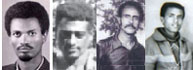
Habte-Selassie Tewolde Eyob Solomon Wolde-Mariam Musie T Mikel
- Source column 1, spans 8 columns
- Source column 1, spans 11 columns
Although the former leaders of the EPLF and ELF commemorate a martyrs' day neither of them wanted to officially honour those fighters who were killed by the EPLF and ELF security forces . For example, on 20th June the leaders of PFDJ did not mention any martyrs killed by the EPLF during the liberation struggle; prisoners who died in prisons or executed; and neither did they honour those youths who were executed in the frontline during the border conflict with Ethiopia or killed at Adi Aboute or Wia.
In the same way, the ELF leaders never announced the names of fighters who were killed by the ELF security force in 1970s. To mention some the Fallul movement in 1977 and those fighters who were killed in Dankalia in 1978 such as Hussen who was also one of the founders of the ELF in Cairo with Taha.
- Source column 3, spans 7 columns
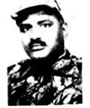
Founders of the ELF in Cairo in 1960 who were killed by the ELF and EPLF/PFDJ.
- Source column 3
- Source column 6, spans 2 columns

- Source column 1, spans 11 columns
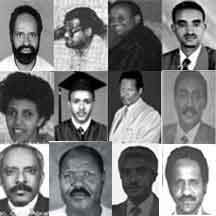
On this day we also need to remember not only the 19, 000 martyrs who lost their lives in the 1998-2000 border conflict, but also all members of the Eritrean Defence Force who were executed by the order of their own military commanders and all prisoners who have died in PFDJ prisons or executed.
- Source column 3, spans 4 columns
- Source column 3, spans 4 columns
- Source column 1, spans 10 columns
The number of martyrs of the liberation struggle is not the officially announced 65, 000 but higher than this number because 5, 000 innocent fighters who were killed by the EPLF security and others were not included. Generally the number of martyrs among civilians and fighters is estimated to be more than a hundred thousands. Stefanos (2000) and White (2005) reported that the number of people killed during the 30 years of liberation war was estimated around 250, 000.
Therefore, the nation must commemorate Martyrs Day of 20th June as a day to remember all those martyrs who were killed in the battlefield in both pre- and post- independent Eritrea, by the EPLF and ELF security forces or special units as well as all the civilians who were killed by the Ethiopian army/security forces.