Sudan prepares to return refugees to Eritrea 17/07/2007
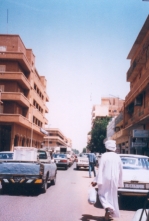
Hundreds of Eritrean refugees may be forcibly returned to Eritrea following a series of arrests last week in the Sudanese capital, Khartoum. According to local sources, the Sudanese authorities have been conducting daily house to house arrests of Eritreans since Thursday 12 July 2007. In an indication of the scale of these arrests, reports received by the Eritrean website http://www.csw.org.uk/latestnews/www.asena-online.com contend that the government may already have finalised the necessary preparations to deport 500 Eritrean refugees to Eritrea. The website also reports that the majority of those detained during the round-up have already been interviewed and granted refugee status by the local offices of the United Nations High Commissioner for Refugees (UNHCR). The harassment and disappearances of key Eritrean refugees occurred periodically in the past. However, the recent mass roundups are the most visible sign to date of a continuing rapprochement between the governments of Eritrea and Sudan, which has seen the Sudanese government progressively clamping down on the activities of the Eritrean diaspora. Several observers feel this may be part of a strategy agreed upon during a visit to Sudan in June by high ranking Eritrean security officials with an unannounced agenda. There are well-founded fears that any Eritreans returned to their country will face severe mistreatment, torture and even death. During 2002 and 2004 refugees deported from Malta and Libya respectively were detained immediately upon arrival in Eritrea and subjected to prolonged and severe mistreatment, including forced labour, severe beatings, extended confinement in sweltering and overcrowded conditions, and in some instances, extra-judicial killing. CSWs National Director Reverend Stuart Windsor says CSW is deeply concerned to hear of the detention and possible return to Eritrea of vulnerable refugees, many of whom have already received UN refugee status and are entitled to the protection of the host government. By returning these refugees, Sudan would be violating international undertakings to which it is party. Moreover, if returned, these people will face certain mistreatment at the hands of a government that has already shown itself impervious to all appeals. We therefore call on the UNHCR and other key international actors to hold Sudan to its obligations under the United Nations and African Union conventions governing the treatment of refugees, and to ensure that those detained are released and afforded their rights under international law. Notes to Editors: 1. Every month 400 to 600 Eritreans are currently estimated to flee across the desert from Eritrea to Sudan, while a similar number are reported to be risking the crossing into Ethiopia. The numbers remain constant despite the fact that Eritrea is alleged to have instituted a shoot to kill policy for those caught in the act of escaping via Sudan. 2. Sudan is party to the United Nations Convention Relating to the Status of Refugees and its Optional Protocol. It has also both signed and ratified the Convention Governing the Specific Aspects of Refugee Problems in Africa. Both Conventions prohibit returning refugees to countries where their lives of freedom would be in danger.