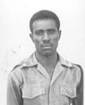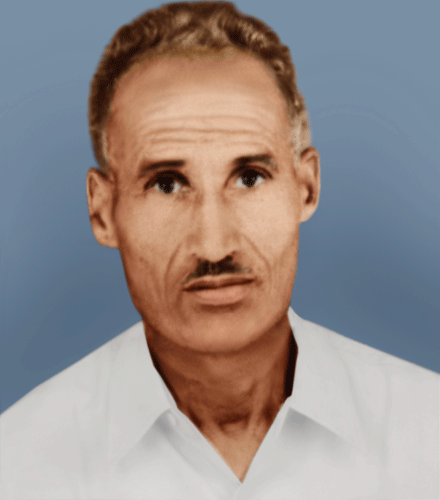



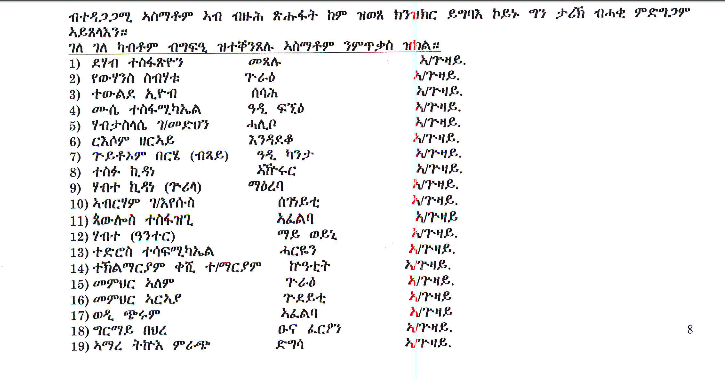
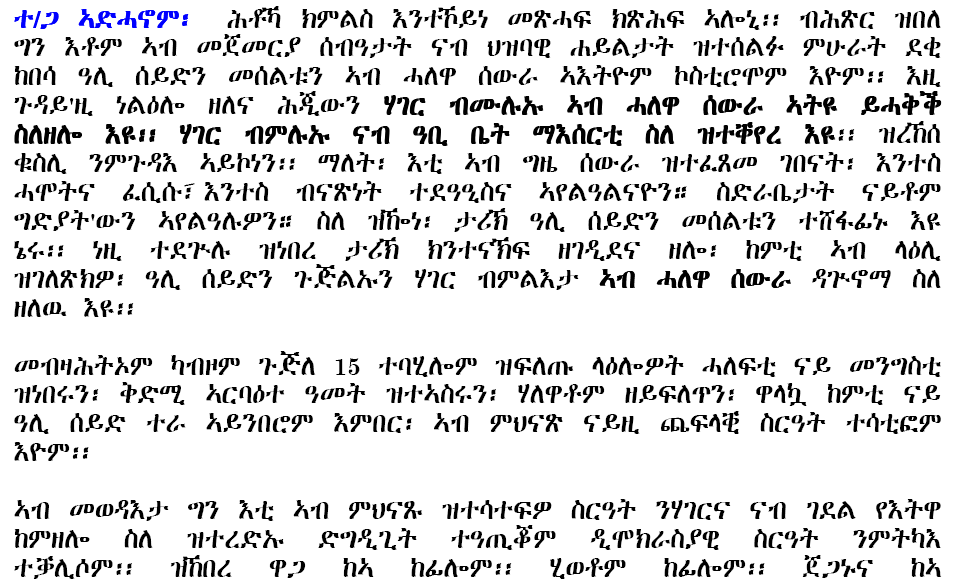
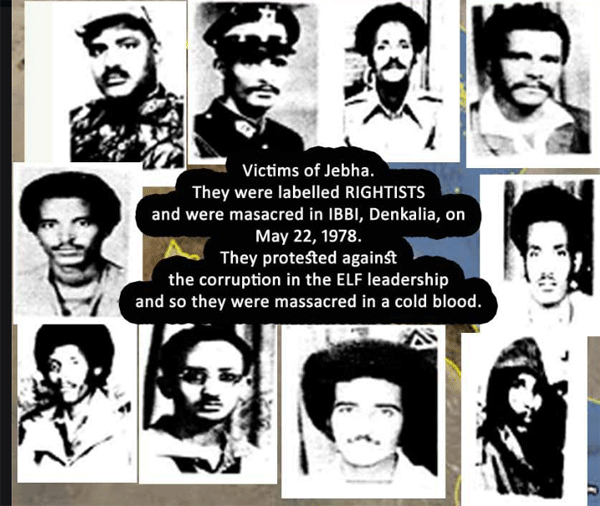
The 18th September should not be restricted to remembering the G11 members of the Eritrean Parliament and Journalists, but should include those innocent fighters who were victims of Jebha and Shabia leaders during the Gedli (Revolution) era(1961-1993).
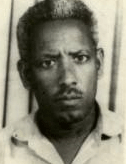
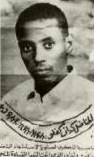

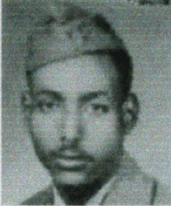
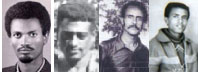
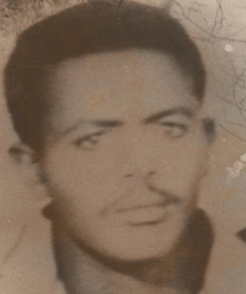
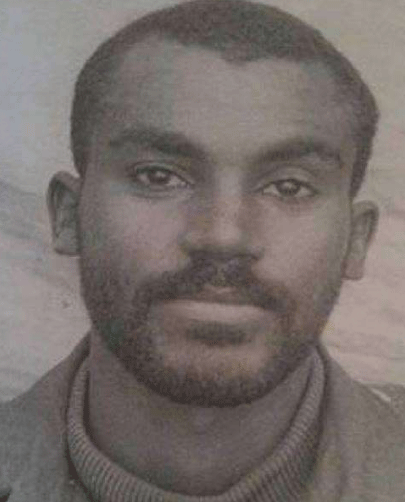

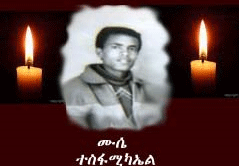
ስዉእ ተጋ ሙሴ ተስፋሚካኤል እዚ ውድብ ዚ ከይዱ ከይዱ ውልቀ ሰብ ዝመልኮ ከምቲ ኣብ ቺለ ዝርከብ ቀንጻሊ መንግስቲ ፒኖሸ ክተክል እዩ ዝቃለስ ዘሎ ዝበለ
- Source column 1
Interview With Veteran Fighter
[Pt.1][Pt. 2] [Pt. 4][Pt 5][Pt. 6] [Pt.7 [Pt.8][1987 2nd congress][pt.9][pt.10]
- Source column 2
- Source column 3
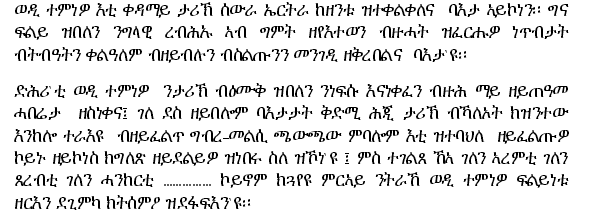
ቃለ መሕትት ምስ ገዲም ተጋዳላይ ተስፉይ ተመነዎ
Part 1 Part 2 Part 3 Part 4 Part 5 Part 6 Part 7 Part 8 [Part 9 Part 10 Part 11[Part 12 Part13 Part 14 Part 15 Part 16 [Part 17 [Part 18] [Part 19][ [Part 20] [Part 21] [Part 22][Part 23][Part 24[ Part 25 [Part 26][Part 27][Part 28] [29] [30][31]] [32][33] [34][35][36][37]
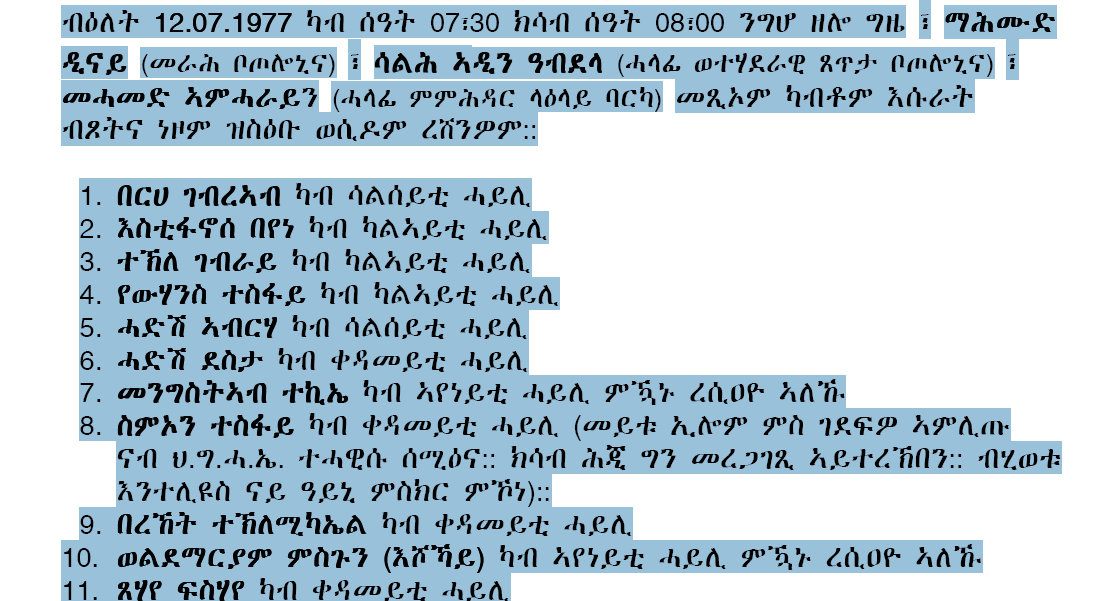
In 2005 Woldeyesus Ammar wrote "Now back to our Falul phenomenon of 1975-77 and Seyoum’s lasting lessons to the young generation through various means including through his messages broadcast over ELF’s radio programme from Omdurman in 1977. Those comments of sword-like sharpness against ethnic chauvinism and lawlessness within one’s organization were contained in the form of poems one of which was entitled: ‘Hahu bel Falulai, Nab Sri’etna Na’anai’ [with clear message to ‘Isayas-and-followers’ as well as to elements of similar attitude in the ELF of the day]. The poem underlined the importance of the following Source :Bravo Deru’e, Agena’e Seyoum.
Alem Tesfay in his paper "Kab Mezgeb Tarich (page 8)" in 2004 wrote [Interview with Tesfay Temnewo - Part 36]

ንጀብሃ ካብ ገበን ሓራ ምግባርምቅንጃው ገዴሊ



ንታሪኽ ጀብሃ ክንገልህ ምስንፍትን- ማለት ኣብ ልዕሊ ፋሉል፣ ስርየት ኣዱስ፣ መንፈረ፣ ራስያን ኩሎም ቅዴምን ዴሕሪን ዋዕላ ኣድብሓ ዜተፈጸሙ ጭፍጨፋታት ምስ እተልዕለሎም፡ ኣዜዮም ይንዴሩ። ንኢሰያስ ብዜገበሮም ጌጋታትን ዜፈጸሞም ገበናትን እርይ ቁጽር ኣቢሎም ክነቕፍዎ ባህ ይብሎም
- Source column 1
- Source column 2
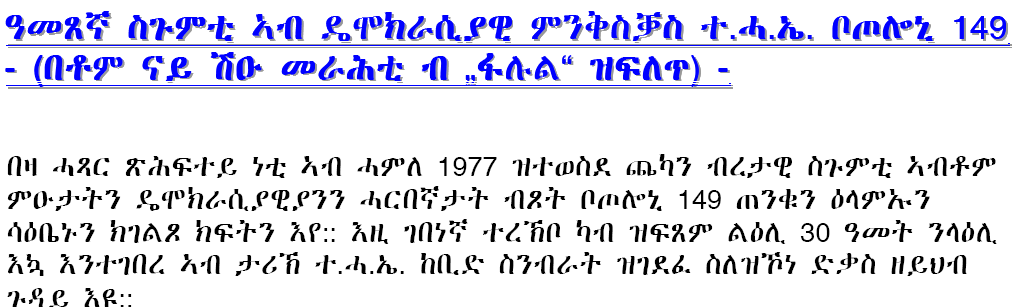
Excerpt from Awate Interview With Mr. Mengestab Asmerom ( currently chairman of the EPDP)By Saleh Younis Jul 25, 2005, 18:45 PST In September 1975, I was pulled out from the Forces and referred to the Cadre School to receive political course. In March 1976, after completing a six-month course, I was assigned to Akele Guzay (Administration # 10) in the Cadre unit. In June 1977, I was told that I had been reassigned from Akeleguzay to Sahel (Administration # 5), and I traveled to Barka to receive my assignment papers. Once in Barka, at Aliet, I and other cadres gave a three-month political course to individuals who were either held [prisoners] or were returnees from the Falul movement. [Interviewer's Note: The ELF had numeric codes for the traditional provinces.] In 1977, you were logically an ideal target for the Falul movement. Did they attempt to recruit you? Now that you look back to towards that period, how do you assess the movement? I don't recall any attempt by the Falul movement to try to recruit me[ምንቅስቓስ ፋሉልን ናይ ቅንጸላ ስጉምቲን]. At the time, I was stationed in Akele Guzay and at that place and within the cadre unit, the impact of the Falul movement was not felt much. When we were new enlistees, there were cadres that attempted to educate us on the differences that emerged following the Second Congress. [[[ካልኣይ ጉባኤ ጀብሃን ውዲታት ዓብደላን]] [[List name of the 41 Revolutionary Council Members Elected at the 2nd ELF Congress].They used to mention the names of leaders we didn't know and tell us so-and-so is progressive and so-and-so is reactionary.Source:Awate Interview With Mr. Mengestab Asmerom
Civilians victim of the ELF and EPLF in the 1960s &1970 findmore