



Report on Crimes committed against the Eritrean people by the Ethiopian rulers
Lessons Never to be Forgotten: PART I:1941-1951
- Source column 1, spans 2 columns
- Source column 1, spans 2 columns
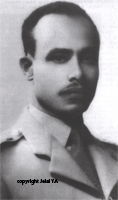
Born 1912. Shoan. Educated in Ethiopia and in France. Speaks French, a little English. During Italian occupation of Ethiopia went to the Sudan; returned to Ethiopia 1941. Was Secretary-General of Ministry of War and later Director of Public Security. In March 1946 appointed Ethiopian Government Liaison Officer in Asmara. Has notoriously used his position in Eritrea to further union with Ethiopia by means of propaganda and distributions of money. Although he personally directs the affairs of the party, he does not appear to be popular with Eritrean Unionists, particularly as he does not speak Tigrinia. Is a somewhat colourless personality. Has an implacable hatred of the Italians and is suspicious of the British. (source for the photo Jelal Yassin)
- Source column 1
Keshi DIMITROS
- Source column 2
SHIFTA provocation, assisted by the Keshi DIMITROS
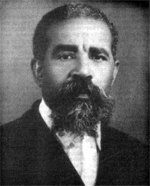
Dimitros Ghebremariam: - (Priest “Liqekahnat”) b. in Maichew (Areza) 1900, elected on 26 March 1952 to the Eritrean Assembly, representing the Medri WodSebera and DekkiTaes district for the Unionist Party. (He served as ASKER and Secretary for Ras Chidanemariam Ghebremeskel and died in Addis Abeba). SHIFTA provocation, assisted by intimidation by the Keshi DIMITROS’ Coptic Church, was scoring predictable results. People in the villages in rural Eritrea who harboured anti–Unionist sentiment were intimidated and forced to stay away from the Un Commission. In several instances where organized groups of peasants tried to go see the Commission, armed SHIFTA erected roadblocks and prevented the petitioners from reaching their destination. These subversive acts were supplemented by the hegemonic influence of the Abyssinian Great Tradition. All those Abyssinian Eritrean who opposed Ethiopia were called anti-Christians. The Head of the Eritrean Coptic Church and its ruling hierarchy, thereby using religion as a political weapon, The UN Commission concluded that the “clergy movement, led by KESHI DIMITROS and BLATTA DEMOZ, was conducting an intermittent negative campaign against the minority of Coptic Church leaders who were opposed to the Unionist cause. By 1950-1951 the Abuna was rarely consulted by the Ethiopian government regarding the future of Eritrea. Furthermore, the Ethiopian Crown was cultivating the support of KESHI DIMITROS of Serae (…’ AB KIDMEKHA ZELO ISHOKH KEITZREKHA DEMBE AIBTZHIN IYU!). His Son Mr. Yoftahe Dimetros served as Ethiopian Ambassador in Israel in the Derg Government, now he is working as General Secretary of the Holy Synod of the Eritrean Orthodox Church (EOC) ( source Jelal Yasin Abera)
- Source column 1, spans 2 columns
SHIFTA
SHIFTA provocation, assisted by the Keshi DIMITROS
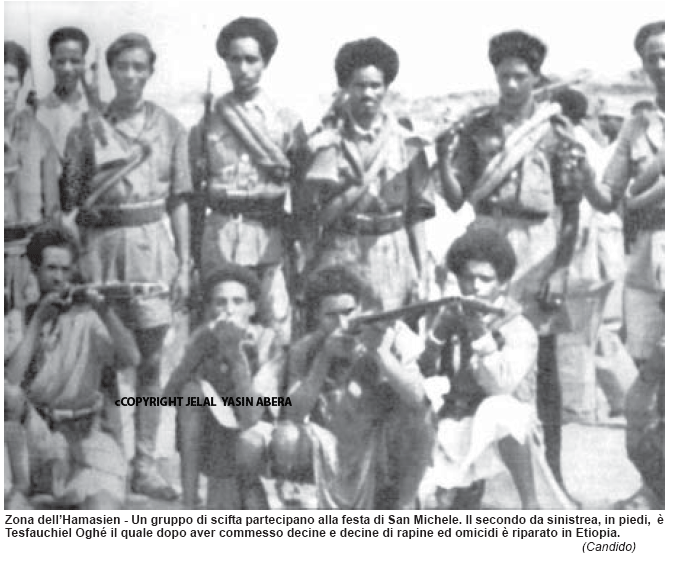
Eritrea 1941 - 1951 Gli anni difficili [Eritrea 1941 - 1951 the difficult years] Contributed by Jelal Y. Aberra
- Source column 1, spans 2 columns
ASRESSEHEI EMBAYE: - (Notorious Shifta) he had made the MUSLIM POPULATION a target for looting and destruction especially in highland perfected the systematic terrorization, killing and mutilating the defenceless Jeberti of SERAE, Saho of HAZOMO and Kunama of TOKOMBIA area. ASRESSEHEI assisted by the Ras Menghesha family he become a prominent UNIONIST SHIFTA. In the late 1940 his band murdered the B. M. A. - appointed district chief, Azmach BERHE GHEBREKIDAN of Guhcia’. After the annexation of Eritrea with Ethiopia he was promoted and was ordered to the head of the Judges in the Eritrean High Court. He survived several attempting on his life by the E. L. F
BEIENE MOSAZGHI: - (Notorious Shifta) he had made the MUSLIM POPULATION a target for looting and destruction especially in highland perfected the systematic terrorization of both Italians and Muslims (SAHO AND JEBERTI of Akele Guzai). On the roadblock no. 12, a few kilometres from Saganeiti and Addi Khayeh road, the police faced him; BEIENE and his brother FESSAHAIE MOSAZGHI were killed in the battle. The fact that one of the policemen who killed them was an Italian added fire to anti-Italian SHIFTA activities. The MOSAZGHI defiance had now become a personal vendetta primarily directed against Italians, and was to further terrorize the Italian community in Eritrea. Defenceless Italian were killed and mutilated in the Mai-Habar area, and their concession farms were looted or burned. Before long, however, SHIFTA were attacking inside Asmara. Two another of the MOSAZGHI brothers with their band increased their vendetta activities. In the second week of April 1949, a restaurant frequented by Italians in the suburb of Asmara was bombed and burned to the ground, while in the same evening another band killed an Italian at his home in front of his wife and children. The MOSAZGHI bros. Looted and destroyed many Jeberti property in Asmara
- Source column 1, spans 2 columns
TESFAI HABTE: - (Notorious Shifta) Brother, of EMBAYE HABTE then the leading official of the Keren branch of the Unionist Party later became a cabinet minister in the Ethiopian government. ( source Jelal Yasin Abera)
- Source column 1, spans 2 columns
- Source column 1

- Source column 2
Ato Woldeab Woldemariam suffered severe wounds from an attempted murder on July 7, 1947. In August of 1948 the BMA's chief civil affairs staff officers was contemplating taking " action against Tedla Bairu and others, for the escalation of intimidation and violence" against pro-independence parties and individualist (Gebre-Medhin 1989:157p.). "...I also have in me the courage to die for my political beliefs, for the cause of liberty of my country, and for the genuine interest of my brothers and sisters." Woldeab Woldemariam in Hanti, Eritrea, Issue#, August 22, 195.[OBITUARY:Waldeab Waldemariam]
- Source column 1
- Source column 2
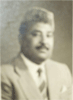
There was also five assassination attempts on Knzmaa Berhzanu Hmdyn who was one of the founder of the Moslem League on 03/12/1946. ኣብ ኣርበዓታት ዝካየድ ዝነበረ ቃልሲ፡ ሓደ ካብቶም ልሉያት ንሓድነትን ምሉእ ነጻነትን ናይ ኤርትራ ዝጣበቑ ዝነበሩ ሃገራዊ ባእታ እዮም። ናይ ታሪኽ መዛግብቲ ከምዝሕብሮ ኣብ 1943 ሓደ ካብ መስረቲ ማሕበር ፍቕረ ሃገር ምንባሮም፡፡ ከምኡ'ዉን ብ03/12/1946 ካብቶም ቀንዲ መስረቲ ሰልፊ ኣልራቢጣ ኣልእስላምያ ብምንባሮም፡ ንሓድነት መሬት ኤርትራን ንነጻነታን ዝተቓለሱ ልሉይ ተራ ዘመስከሩ ሃገራዊ ተቃላሳይ እዮም። ፈታዊ ፍትሕን ተባዕን ሓያልን ከምዝነበሩ ይዝንተወሎም። ብቡምባ-ኢድ፡5 ግዜ፡ ናይ መቕተልቲ ፈተነ ኣብ ልዕሊኦም ከምዝተኻየደን፡ ከምኡ'ዉን ብማሕበር ኣንድነት ዝተላእኩ ዕሱባት፡ ነቲ ኣብ ገዛ ከኒሻ ዝነበረ መኖርያ ቤቶም ናብ ዱኽዒ ለዊጦም ከምዘፍረስዎ ይፍለጥ። Read more
- Source column 1
- Source column 2
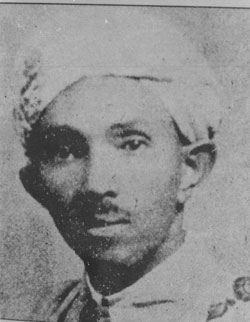
Abdulkadir Kebire believed that only through education and unity can a people control their own destiny.

Abdulkader Kebire who was a businessman funded many charitable projects including one for the establishment of a technical school in Mai Dshto in Akria, Asmara
Abdel Kadir Kebire was first vice president (1941-46) of the Mahaber Feqri Hager(MFH) and President of the ML-Asmara branch, was assassinated on March 30, 1949 on the eve of his departure to attend the meeting in Lake Success, New York, as well attacked on Dedjazmach Hassan Ali of the Moslem League by Unionists (Spencer, 1984:197) .
- Source column 1
- Source column 2
PART II:1952-1962
- Source column 1, spans 2 columns
- Source column 1, spans 2 columns
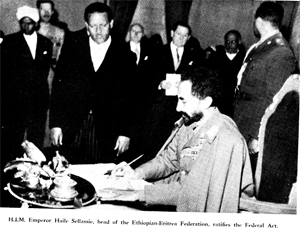
Crime committed in violation of the UN resolution 390 AV the Federal Act by Emperor Haile Selessaie
The Ethiopian government in order to restrict the progressive education system in Eritrea took the first step by replacing Tiginya and Arabic as the official languages with Amharic ( the Official language of Ethiopia). Thereafter, all the school textbooks and other documents which had been written in Tigrigna were burnt [11], by the Ethiopian government. Yohannes Zeggai documented it as follows.
“A greater part of the books, together with other documents, were burned in 1963 in the industrial oven of the Matches Factory in Asmara. The same took place at the Ceramic Factory in Asmara. Private collections were also gathered and destroyed in similar fashion” (Negash , p10)
In 1957, the Ethiopian government established Amharic as the official language of Eritrea in place of Tigringa and Arabic that had been stipulated as official languages under the Eritrean constitution. Following this most books written in Tigringa and Arabic were burnt. In 1957 the Ethiopian government also banned trade unions, closed many Eritrean industries, dismantled Eritrean factories and moved them to the capital city of Ethiopia, Addis Ababa25. As a result, the number of workers in Eritrea declined from 32,400 (27,000 Eritreans; 5,400 Italians) to 10, 350(10,000 Eritrean; 350 Italian).
In 1958 the Eritrean flag was lowered and only the Ethiopian flag was permitted. In response a general strike and demonstration were called. The demonstration in Asmara, led by the banned trade unions, resulted in the police opening fire on the demonstrators killing 88 civilians and wounding 440 others , and many thousands were jailed. Furthermore 18 prominent citizens including Omar Kadi were arrested for sending a telegraph to the Secretary-General protesting against Ethiopian violations of UN Resolution 390(AV). As a result of this strike and resistance by the members of the Eritrean parliament such as Omar Kadi and others to the Ethiopian government's violations of UN Resolution 390(AV) , political rights and civil liberties came to an end in 1958. This was when the Union of Eritrea Labour Syndicates was banned and its newspaper " The voice of Eritrea" were prohibited by the Ethiopian Emperor; Newspapers were closed down and freedom of speech and assembly were drastically curtailed. Political parties with the exception of the Unionist Party ceased. Following this, Ethiopian law was imposed and all forms of human rights were violated which to the birth of the Eritrean Liberation Movement (Harakat) in the late 1950